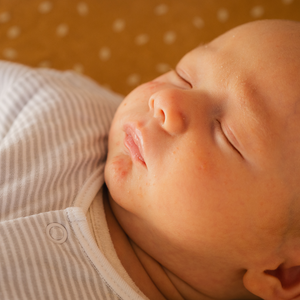







As a midwife, one of the things I often reassure new parents about is birthmarks, those unique marks and blemishes that some babies have on their skin at birth or shortly after. They can sometimes look worrying to a new parent, but most birthmarks are completely harmless and simply part of your baby’s natural variation.
What Exactly Are Birthmarks?
Birthmarks are skin markings that appear at birth or soon afterwards. They can come in different shapes, sizes, and colours, from pale pink patches to deeper red marks, or darker coloured spots. You might see them on the face, scalp, arms, or body.
There are two broad types of birthmarks:
- Pigmented birthmarks – caused by clusters of pigment cells. Examples include café‑au‑lait spots and Congenital Dermal Melanocytosis (CDM) Previously known as Mongolian Blue Spot.
- Vascular birthmarks – caused by blood vessels that haven’t formed typically. Examples include “strawberry” haemangiomas and port‑wine stains.
For a thorough overview of the main types and what to expect, the NHS has a helpful guide here: https://www.nhs.uk/conditions/birthmarks/
Why Do Birthmarks Happen?
Most birthmarks occur due to variations in skin cell development before birth. The exact reason some babies get them, and others don’t isn’t fully understood, they aren’t caused by anything you did or didn’t do during pregnancy.
Different types of birthmarks have slightly different explanations:
- Vascular marks occur when tiny blood vessels under the skin are more concentrated in one area.
- Pigmented marks result from extra pigment cells in a patch of skin.
Common Types You Might See
1. Congenital Dermal Melanocytosis (formerly known as Mongolian Blue Spots)
These are flat, bluish‑grey patches that are often seen on a baby’s lower back, buttocks, or shoulders. They are more common in babies with darker skin tones and are completely harmless. Most of the time, they gradually fade on their own by around age 4–6.
2. Strawberry Haemangiomas
Bright red, raised areas that may grow slightly after birth before fading over time. Quite common and usually harmless.
3. Port‑Wine Stains
Flat pink or purple marks present at birth. Unlike some haemangiomas, they usually don’t fade and may require dermatology follow‑up if concerned.
4. Café‑au‑Lait Spots
Light brown patches. A single spot is usually nothing to worry about, but multiple spots can sometimes warrant a clinical review to rule out specific conditions.
When Should You Seek Advice?
Most birthmarks are harmless and just something you and your child will grow up with. However, it’s sensible to get any mark checked if:
- It changes rapidly in size or colour.
- It bleeds, ulcerates, or looks irritated.
- It’s associated with other symptoms (e.g., favouring one side of the body, vision, or limb involvement).
If you’re ever unsure, your GP, health visitor or midwife will be happy to take a look and reassure you, there’s no such thing as a silly question when it comes to your baby’s health.
A Final Note for Parents
Birthmarks are a normal part of many babies’ skin journeys. Some fade with time, others stay, and most cause no medical concern at all. They’re just part of what makes your child uniquely beautiful.
If you ever feel anxious about a mark or want support understanding one better, talk to your midwife or GP. We’re here to help you feel confident and informed as you navigate every part of your baby’s early life.