








If you’re trying to conceive and it’s taking longer than expected, you’re not alone although it may feel like it , but current statistics suggest 1:6 couples in the UK experience fertility problems. Fertility journeys can feel uncertain and emotionally draining, but understanding when to seek support, and what happens next can make a real difference. Grounded in current NHS and NICE guidance, this guide gently walks you through the essentials so you feel informed, supported, and empowered.
What is infertility?
Infertility is typically defined as not conceiving after 12 months of regular, unprotected sexual intercourse (3-4 times a week throughout a woman’s menstrual cycle). For some couples, this timeframe may be shorter depending on age or medical history.
It’s important to remember that conception doesn’t always happen quickly—even for healthy couples. Around 84% of couples will conceive within a year, and about 92% within two years. So, if it hasn’t happened yet, it doesn’t necessarily mean there is a problem.
When should you seek advice?
Knowing when to ask for help can feel like a big step, but early support can provide reassurance or identify any underlying issues.
According to NHS and NICE guidance, you should consider speaking to your GP if:
- You’ve been trying for 1 year without success (if the woman is aged under 36)
- You’ve been trying for 6 months and the woman is aged 36 or over
- You have irregular or absent periods
- There’s a known fertility issue (for either partner)
- You’ve experienced recurrent miscarriages (currently classed as 3 consecutive miscarriages or more)
- There’s a history of conditions such as endometriosis, polyendocrine metabolic ovarian syndrome (PMOS), or pelvic inflammatory disease (PID)
- There may be male factor concerns, such as previous testicular surgery or abnormal sperm analysis
What happens at your GP appointment?
Your GP will begin with a full medical history for both partners. This may include questions about:
- Menstrual cycles and ovulation
- Lifestyle factors (such as smoking, alcohol, diet, exercise, weight, and stress)
- Frequency and timing of sexual intercourse
- Previous pregnancies or health conditions
From there, initial tests may be arranged.
Initial fertility investigations
For women:
- Blood tests to check hormone levels and confirm ovulation
- Tests for ovarian reserve (how many eggs remain)
- Screening for infections (such as chlamydia)
- Possibly a pelvic ultrasound scan
For men:
- A semen analysis to assess sperm count, movement (motility), and shape (morphology)
These early tests are often done in primary care (GP) before referral to a specialist fertility centre.
Referral to a fertility specialist
If appropriate, your GP may refer you to a fertility clinic for further assessment. This doesn’t always mean there’s a serious issue, it simply allows for more detailed investigations.
At the clinic, you might be offered:
- Advanced imaging (such as checking if fallopian tubes are patent)
- More detailed hormone testing
- Specialist male fertility assessments
Treatment options
Treatment depends on the cause (if one is identified), your age, and how long you’ve been trying. It is important to note that for some couples the tests will not show any problems and as such their infertility is of unknown cause.
Options may include:
1. Lifestyle support
Small changes can make a meaningful difference:
- Maintaining a healthy weight (BMI below 30)
- Reducing, or ideally stopping, alcohol intake
- Smoking cessation
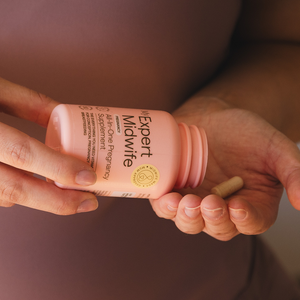
- Healthy and nutritious diet including dietary supplements such as our All In One Supplements which contain the recommended dose of Folic Acid and Vitamin D for women who are trying to conceive or who are already pregnant
- Managing stress
2. Ovulation induction
Medication to help stimulate ovulation if it’s irregular.
3. Intrauterine insemination (IUI)
Sperm is placed directly into the uterus during ovulation.
4. In vitro fertilisation (IVF)
Eggs are fertilised outside the body and transferred to the uterus.
5. Intracytoplasmic Sperm Injection (ICSI)
Usually recommended for couples whose infertility is sperm-related. A single healthy sperm is washed, prepared and injected directly into a mature egg.
NICE guidance recommends offering IVF under certain criteria, though access can vary depending on where you live. For more information you can visit the Human Fertilisation and Embryology Authority (HFEA) website.
The emotional side of fertility struggles
Fertility challenges can impact every part of life including your relationship, your confidence, and your mental wellbeing. Feelings of frustration, grief, or isolation are incredibly common.
Support is available, and you don’t have to navigate this alone. Many couples find comfort in:
- Fertility counselling
- Support groups ( The Fertility Alliance)
- Honest conversations with trusted loved ones or a healthcare professional
A gentle reminder
Trying to conceive can feel like a journey filled with waiting and uncertainty. But seeking advice is not a failure; it’s a positive, proactive step towards understanding your body and your options.
Whether you conceive naturally, with support, or take a different path altogether, your journey is valid. And you deserve compassionate, evidence-based care every step of the way.