







Pregnancy brings immense physical, hormonal, and emotional changes. One of the earliest and most visible changes is in your breasts. These changes are your body preparing for feeding your baby, driven by hormones like oestrogen, progesterone, and prolactin. They begin early in pregnancy and continue throughout all three trimesters.
First Trimester (Weeks 1–13)
- Tenderness and heaviness: Breasts may feel sore, heavy, or “different” as early as 3–4 weeks. This is caused by surging hormones and the early growth of milk-producing glands.
- Fullness and size changes: Breasts may feel fuller or slightly larger. Veins may become more visible due to increased blood flow.
Second Trimester (Weeks 14–27)
- Areola changes: The areola often darkens and enlarges, helping newborns locate the nipple.
- Montgomery’s tubercles: Small raised bumps may become more prominent. These glands secrete oils that protect and nourish your nipples. Our Nipple Balm is safe to use antenatally to soothe dry or irritated nipples.
- Colostrum production: From around 16–20 weeks, breasts may produce thick, nutrient-rich “pre-milk.” Some notice leakage; others don’t both are normal.
- Colostrum harvesting: From 37 weeks, our Midwives encourage collecting “liquid gold,” which is rich in antibodies. Our Colostrum Harvesting Kit includes syringes, labels, and Nipple Balm to support your practice.
Note: Speak with your midwife before harvesting if you have a cervical stitch or low-lying placenta/placenta praevia.
Third Trimester (Weeks 28 to Birth)
- Breast growth: Breasts continue to grow as milk glands mature. They may feel full, heavy, or uncomfortable.
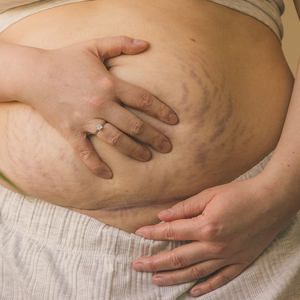
- Stretch marks: Rapid expansion can cause streaks on the skin. These often fade after birth but may not disappear completely. Our Stretch Mark Serum helps soothe and hydrate itching and discomfort.
- Colostrum harvesting reminder: Even if you plan to formula feed, colostrum is beneficial as a first feed.
Areola and Nipple Changes
- Areola and nipples darken and enlarge.
- Sensations range from mild tingling to occasional sharp feelings as blood flow increases.
- Severe or localized pain should be discussed with your midwife or GP.
Bra and Clothing Comfort
- Supportive maternity bras: Get fitted by a trained professional, many stores like Marks & Spencer offer excellent services.
- Avoid underwires: They can cause discomfort or affect milk ducts.
- Soft, breathable fabrics: Cotton or bamboo with adjustable bands are ideal.
- Frequent re-measurements: Breasts can change rapidly; many need new bras every few weeks.
- Non-wired sports bras: Often the most comfortable, especially at night.
- Some of our favourites are Nursing Bras | Maternity Bras | Lounge, Bras – The Mutha Project and Lesh Leakproof Nursing Bras
When to Get Checked
Contact your midwife or GP if you notice:
· Lumps: A new, firm, or persistent lump that may be fixed to the skin or chest wall, or a lump/swelling in the armpit.
· Nipple changes: Inversion (turned inward), retraction, persistent rash or eczema, or unexplained discharge, especially if blood-stained and not related to breastfeeding.
· Skin changes: Dimpling, tethering, thickening, or peau d’orange (orange peel texture).
· Inflammatory symptoms: Rapid increase in breast size, redness, warmth, or severe pain (sometimes mistaken for infection).
· Anything else unusual that causes concern.
These symptoms may require assessment to rule out infection or other issues.
After Birth
- Milk “coming in”: Usually around day 3–5 post-birth, breasts may become fuller and feel engorged.
- Hand expression: Helps relieve engorgement between feeds.
- Leakage or softening: Normal as breasts adjust to your baby’s needs.
- Long-term changes: Post-weaning, breasts may return close to pre-pregnancy shape or may change in size or firmness.
Whether or not you choose to breastfeed, your breasts have done an amazing job preparing to nourish your baby.
Final Note
Every person’s experience is unique. Some notice dramatic growth and sensitivity, others more subtle changes. What matters is that your body is working to support your baby. If you are ever unsure, your midwife is there to guide and support you.