



We know that the second trimester can feel like a turning point in pregnancy. Often described as the ‘honeymoon trimester’, weeks 13–27 are a time when many women begin to feel more like themselves again, while their baby grows, develops, and becomes more real with every passing week.
This guide is designed to support, reassure and empower you through every stage of the second trimester, because informed parents feel more confident, and confidence matters.
Weeks 13–16: Finding Your Feet in the Second Trimester
As you move out of the first trimester, many women notice a welcome easing of nausea and exhaustion. Energy levels often improve, appetite returns, and daily life can start to feel more manageable again.
This is a key time to gently reconnect with your body and your pregnancy. Hormonal changes are still very much at play, so it’s normal if emotions feel heightened or unpredictable.
Baby’s development
Your baby is growing quickly, with organs continuing to mature and tiny movements happening constantly. Although you’re unlikely to feel these just yet, your baby is already active and responsive.
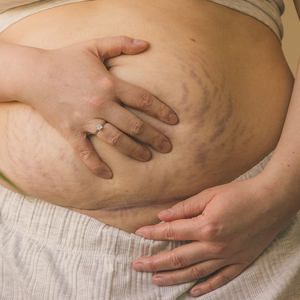
Supporting your skin as it stretches can help maintain comfort as your bump grows. Keeping skin nourished and hydrated is a simple but important part of pregnancy self-care.
Bonding With Your Baby: There’s No Right or Wrong Way
Bonding during pregnancy looks different for everyone. Some parents feel an immediate emotional connection, while others build it gradually and both are completely normal.
As midwives, we often reassure parents that bonding is a journey, not a test you can pass or fail. Talking to your baby, resting your hands on your bump, or involving your partner in appointments and scans can all help nurture that connection in a way that feels natural to you.
Weeks 16–20: Growth, Movement and the Growing Bump
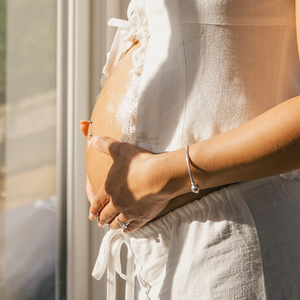
This is often when pregnancy starts to feel more visible. Your bump may become more pronounced, clothes may feel tighter, and posture can begin to change as your centre of gravity shifts.
Feeling baby move
Many women describe early movements as fluttering, bubbling or a gentle tapping sensation. First-time parents may feel movements later than those who have been pregnant before.
Midwife reassurance: If you haven’t felt movement yet, try not to worry. We look at movement patterns over time, not specific dates.
Weeks 20–24: Reaching the Halfway Point
Twenty weeks can feel like a significant milestone, you’re halfway through pregnancy. Baby’s movements often become stronger and more regular, which many parents find deeply reassuring.
Key appointments and checks
Around 20 weeks, most women are offered the anomaly ultrasound scan. From a midwife’s perspective, this scan plays an important role in assessing your baby’s development, growth and anatomy. It can also help identify certain conditions that may need extra monitoring or care during pregnancy or after birth.
It’s completely normal to feel a mix of excitement and anxiety before this scan. Remember, most anomaly scans are reassuring, and your midwife is there to talk through any questions or concerns you may have.
Physically, you may notice:
- A more established bump
- Changes in balance and posture
- Increased appetite
Emotionally, thoughts often start to turn toward birth, baby care and life after pregnancy. This is an ideal time to begin antenatal education and explore your birth options.
Weeks 24–28: Preparing for the Third Trimester
As you approach the final weeks of the second trimester, your body continues to adapt to support your growing baby. Fatigue may start to return, and sleep can become more disrupted.
Appointments, tests and vaccinations
At around 28 weeks, you’ll usually have routine blood tests to check your iron levels and blood group, as well as screening for conditions such as anaemia. Some women may also be offered further investigations, such as a glucose tolerance test (GTT), if there are risk factors for gestational diabetes. While additional tests can feel worrying, they’re simply there to ensure you and your baby receive the right care and support.
This stage of pregnancy is also when important vaccinations are offered:
- The whooping cough (pertussis) vaccine helps protect your baby in the early weeks after birth
- The RSV vaccine, offered in pregnancy, helps reduce the risk of serious respiratory illness in newborns
These vaccines are a key part of protecting your baby before they’re old enough to be vaccinated themselves.
Baby’s development
Your baby is now gaining weight steadily and developing their senses. They can hear voices and sounds from the outside world, making this a lovely time for partners to talk, read or sing to the baby.
Midwife's top tip
Prioritising rest, gentle movement, and good hydration can help support your body as pregnancy progresses. Listening to your body is key.
Final Thoughts
The second trimester is a time of growth, adjustment and connection. While it’s often physically easier than the first trimester, it can still bring questions, changes and moments of uncertainty.
We believe that knowledge is power. Trust your instincts, seek support when you need it, and remember no two pregnancies are ever the same.
You’re doing an incredible job, and your midwife is always here to support you every step of the way.